
When it comes to home entertainment, audio quality is crucial for creating an immersive experience. Whether you're watching a movie, streaming a TV show, or playing video games, good sound can greatly enhance your enjoyment.
AV Receivers and Sound Bars are two popular options for upgrading your home audio system. An AV receiver is usually the main component in a traditional home theater setup, connecting different devices and powering multiple speakers. Sound bars, on the other hand, are compact speaker systems designed to improve TV audio without the hassle of extra equipment.
This article aims to help you understand the differences between AV receivers and sound bars. By looking at their features, advantages, and disadvantages, you'll be able to make an informed decision on which option is best for you and will enhance your home entertainment experience.
Understanding AV Receivers and Sound Bars
Definition and Function
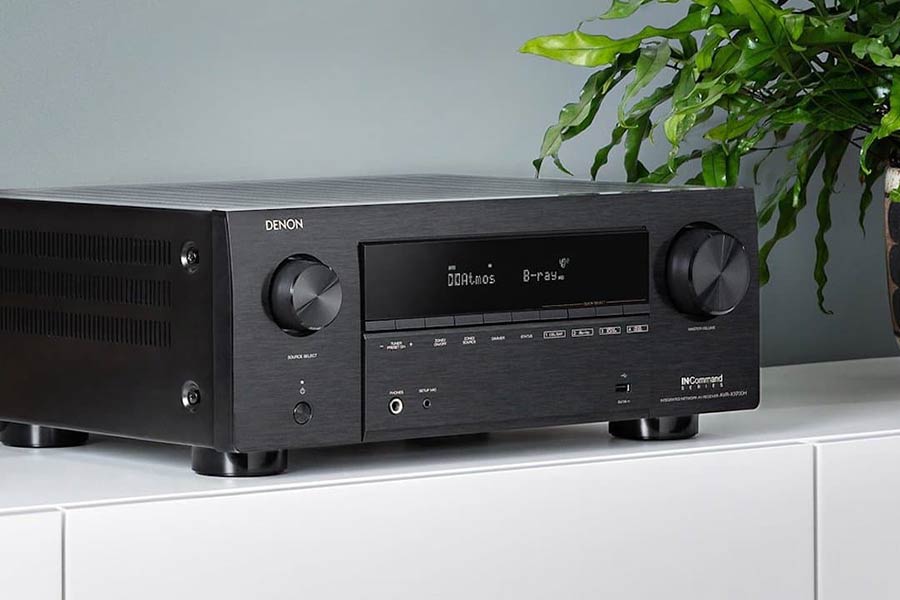
AV Receivers: An AV receiver acts as the central hub of a home theater system. It processes incoming audio and video signals from various sources like Blu-ray players, gaming consoles, and streaming devices. The receiver then amplifies the audio signal and sends it to the speakers in your surround sound setup. Denon AV receivers are known for their robust features, supporting multiple HDMI inputs, advanced audio formats, and integration with smart home devices.
Sound Bars: Sound bars are sleek, all-in-one speaker systems designed to enhance TV audio without needing multiple components. They connect directly to your TV using HDMI or optical cables. Denon sound bars often come with built-in subwoofers and virtual surround sound technology, making them ideal for users seeking a straightforward upgrade from their TV's built-in speakers.
Benefits of Using an AV Receiver for Home Cinema
- Superior Audio Quality: AV receivers typically support higher-end audio formats like Dolby Atmos and DTS:X. These formats provide 3D audio effects, delivering an immersive listening experience.
- Customization: You can select individual speakers that suit your preferences, whether you want powerful floor-standing speakers or discreet in-wall units.
- Multiple Connections: AV receivers offer numerous HDMI inputs, enabling you to connect various devices simultaneously. This feature is particularly useful for those who have a complex home entertainment setup involving multiple source devices.
Advantages of Sound Bars for Compact Spaces
- Space-Saving Design: Sound bars are much more compact than traditional home theater setups. Their sleek design allows them to fit seamlessly below or above your TV without occupying much space.
- Ease of Setup: Setting up a sound bar generally involves just one or two connections. This simplicity makes it an attractive option for those who prefer minimal hassle.
- Affordability: While high-end models exist, many sound bars are budget-friendly compared to full-fledged AV receiver setups. They offer a significant improvement over built-in TV speakers without breaking the bank.
Whether you opt for the customization and superior sound quality of an AV receiver or the simplicity and elegance of a sound bar depends on your specific needs and living situation.
Key Features to Consider
Overview of Essential Features in Both AV Receivers and Sound Bars
When choosing between an AV receiver and a sound bar, several key features stand out. One of the primary considerations is the number of HDMI inputs. AV receivers typically offer multiple HDMI inputs, allowing you to connect various devices such as gaming consoles, Blu-ray players, and streaming devices. Sound bars, while more limited, often include at least one HDMI input for a direct connection to your TV.
Support for Advanced Audio Formats
For audiophiles seeking immersive audio experiences, support for advanced audio formats like Dolby Atmos and DTS:X is crucial. AV receivers shine in this regard, offering robust support for these formats. Dolby Atmos provides a 3D audio experience by adding height channels, while DTS:X offers object-based audio for more dynamic soundscapes. Sound bars with Dolby Atmos capabilities are available but may not deliver the same level of immersion as a full surround sound system powered by an AV receiver.
Integration with Smart Home Devices
Modern AV receivers often come equipped with integration capabilities for smart home devices like Alexa and Google Assistant. This allows you to control your audio setup using voice commands, adding a layer of convenience and modernity to your home entertainment system. Sound bars have also evolved to include smart features, though their integration might not be as comprehensive as that found in high-end AV receivers.
Features That Enhance Audio Experience in Sound Bars
Sound bars may lack some of the advanced features found in AV receivers but excel in user-friendly enhancements like Bluetooth and AirPlay support. Bluetooth enables easy wireless streaming from smartphones and tablets, while AirPlay allows seamless integration with Apple devices. These features make sound bars an attractive option for those seeking simplicity without sacrificing too much on functionality.
Comparing Popular Models from Denon
When it comes to AV receivers, Denon is a leading brand known for its high-quality products. Let's explore some of the popular Denon models and their specifications.
Denon AVR-X4700H
The Denon AVR-X4700H caters to those who demand superior audio performance and extensive connectivity options. Its high power output and support for advanced audio formats make it ideal for large home theaters.
Specifications:
- Channels: 9.2
- Power Output: 125W per channel
- Audio Formats: Dolby Atmos, DTS:X, IMAX Enhanced
- Connectivity: 8 HDMI inputs, 3 HDMI outputs
- Smart Integration: Alexa, Google Assistant, Apple AirPlay 2
Denon AVR-S750H
For users seeking a balance between performance and affordability, the Denon AVR-S750H offers great value. Its slightly lower power output is compensated by robust features that cater to medium-sized rooms.
Specifications:
- Channels: 7.2
- Power Output: 75W per channel
- Audio Formats: Dolby Atmos, DTS:X
- Connectivity: 6 HDMI inputs, 1 HDMI output
- Smart Integration: Alexa, Google Assistant, Apple AirPlay 2
Denon AVR-X1600H
The Denon AVR-X1600H is perfect for smaller spaces or for those new to home theater setups. It provides essential features at an accessible price point without compromising on quality.
Specifications:
- Channels: 7.2
- Power Output: 80W per channel
- Audio Formats: Dolby Atmos, DTS:X
- Connectivity: 6 HDMI inputs, 1 HDMI output
- Smart Integration: Alexa, Google Assistant, Apple AirPlay 2
Denon's lineup also includes sound bars like the DHT-S316, DHT-S516H, and DHT-S716H, each designed to meet different needs:
Sound Bar Models:
- Denon DHT-S316: An entry-level model ideal for users looking for a simple solution to enhance their TV audio.
- Denon DHT-S516H: Suits users who desire more advanced features like wireless multi-room audio.
- Denon DHT-S716H: Caters to audiophiles seeking premium sound quality in a compact form factor.
Each of these models provides specific advantages based on room size and user requirements. The higher-end AV receivers like the AVR-X4700H are suited for larger home theaters demanding top-tier performance. On the other hand, sound bars such as the DHT-S716H offer a streamlined solution without sacrificing audio quality.
Pros and Cons: Sound Bars vs. AV Receivers
Advantages of Sound Bars
- Simplicity: Sound bars are straightforward to install. Most models require just one connection to your TV, making them an excellent choice for those who prefer a hassle-free setup.
- Space-Saving Design: Their compact and sleek design is ideal for smaller spaces. They fit neatly under your TV or can be mounted on the wall, freeing up valuable living room space.
Disadvantages of Sound Bars
- Limited Surround Sound Capabilities: Despite advancements in virtual surround sound technology, sound bars often lack the immersive audio experience provided by dedicated speaker systems.
- Customization Limitations: Unlike AV receivers, sound bars offer limited options for upgrading or customizing individual components to tailor the audio experience to personal preferences.
Advantages of AV Receivers
- Superior Audio Quality: AV receivers deliver exceptional sound quality, supporting advanced audio formats like Dolby Atmos and DTS:X, which create a more immersive home theater experience.
- Customization Options: Users can select and configure individual speakers based on their preferences, allowing for a tailored audio setup that meets specific needs and desires.
Disadvantages of AV Receivers
- Complex Setup: Setting up an AV receiver involves multiple components and wiring. This complexity can be daunting for those unfamiliar with audio systems.
- Higher Cost: These systems tend to be more expensive than sound bars. The initial investment includes not only the receiver but also separate speakers and other accessories necessary for a complete setup.
Making the Right Choice for Your Home Entertainment Needs
When choosing between sound bars and AV receivers, consider several key factors to ensure you select the best option for your home entertainment needs.
Room Size
- Small to Medium Rooms: Sound bars are often ideal for these spaces. Their compact design and virtual surround sound capabilities can provide an immersive experience without overwhelming the room.
- Large Rooms: AV receivers paired with separate speakers can fill larger spaces with rich, high-quality audio. They offer more power and flexibility in speaker placement.
Budget
- Cost-Effective Solutions: Sound bars typically come at a lower price point, making them an attractive option if you're on a budget. Many models offer excellent sound quality without breaking the bank.
- Investment in Quality: AV receivers may require a higher initial investment, especially when factoring in the cost of additional speakers. However, they offer superior sound quality and more customization options.
Desired Audio Quality
- Casual Listening: If you primarily watch TV shows or movies and aren't seeking top-tier audio performance, a sound bar can enhance your experience without complexity.
- Audiophile Experience: For those who prioritize high-fidelity sound, an AV receiver provides superior audio processing, support for advanced formats like Dolby Atmos, and the ability to tailor your setup with high-quality speakers.
Assessing these factors will help you make an informed decision that aligns with your specific home entertainment requirements.
Conclusion: Elevating Your Home Entertainment Experience with Quality Audio Solutions
Choosing the best audio solution for home entertainment depends on understanding your personal needs and preferences. Whether you prefer the high-fidelity sound of AV receivers or the sleek convenience of sound bars, both options have their own advantages.
Assess your space, budget, and desired audio quality:
- Room Size: Larger rooms benefit from the expansive soundstage offered by AV receivers.
- Budget: Sound bars are typically more cost-effective while still delivering a significant audio upgrade.
- Audio Quality: Audiophiles might prefer the customizable, superior sound of AV receivers.
Improving your home entertainment experience requires careful consideration of these factors. Investing in quality audio solutions can transform your viewing experience, bringing movies, music, and games to life with immersive sound.
"The right choice will elevate your home entertainment setup, ensuring every note and dialogue is heard with clarity and precision."
Explore your options, weigh the pros and cons, and choose the system that fits your lifestyle. With the right audio solution, your home entertainment will be even more enjoyable.