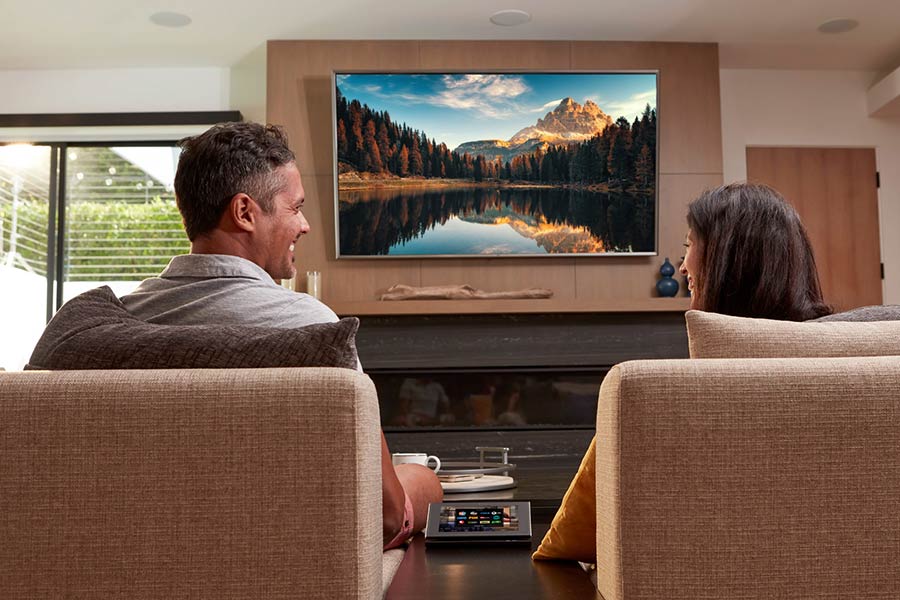
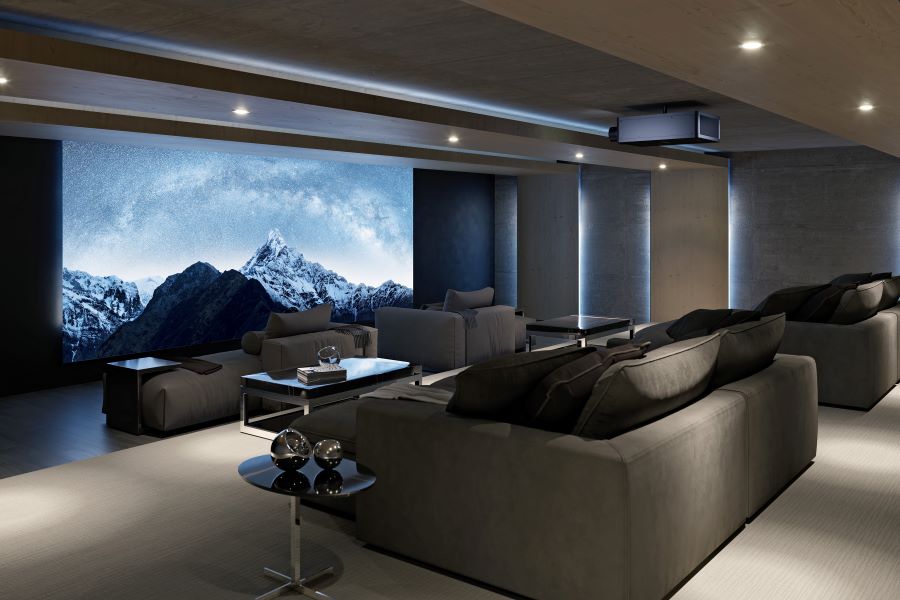
An AV receiver is an essential part of a great home theater system, turning your living room into a movie paradise. It handles audio and video signals, sending them to different speakers and screens for a truly immersive experience.
In this article, you'll discover:
- The importance of channel count in AV receivers
- How to select the appropriate channel count for your needs
With this knowledge, you'll be able to make a smart choice that upgrades your home theater setup and brings you amazing sound quality.
Understanding AV Receivers
An AV receiver is the main component of your home theater system. It takes care of audio and video signals, sending them to different speakers and display devices. This function is crucial for achieving a smooth audio-visual experience.
Enhancing Sound Quality and Performance
AV receivers greatly improve sound quality by:
- Decoding multiple audio formats: They can handle Dolby Atmos, DTS:X, and other advanced formats, providing a rich auditory experience.
- Amplifying sound: They boost audio signals to drive speakers effectively, ensuring clear and dynamic sounds.
- Room correction technologies: Features like Audyssey MultEQ or Dirac Live adjust output based on room acoustics, enhancing overall performance.
Choosing the Right Model
Selecting the right AV receiver model is crucial for an optimal sound experience. Factors to consider include:
- Channel count: More channels mean more speakers and greater immersion.
- Power output: Ensure it matches your speaker setup for consistent performance.
- Connectivity options: Look for HDMI inputs, Bluetooth, and Wi-Fi capabilities for maximum versatility.
Investing in a suitable AV receiver transforms your home theater into a cinematic haven, delivering dynamic sounds that elevate every viewing experience.
Understanding Channel Count in AV Receivers
Channels in AV receivers refer to the individual audio paths that deliver sound to different speakers in your home theater setup. The channel count indicates the number of separate audio channels an AV receiver can process and output. For example, a 5.1 channel receiver supports five main speakers and one subwoofer.
The impact of channel counts on your audio experience is significant:
- Immersive Surround Sound: Higher channel counts provide more detailed and enveloping surround sound experiences.
- Enhanced Spatial Audio: Additional channels, especially those supporting height speakers, enhance spatial audio formats like Dolby Atmos.
- Customization Options: More channels allow for greater flexibility in speaker placement, optimizing sound quality based on room acoustics.
Choosing the right channel count ensures you maximize the potential of your home theater system, delivering a truly cinematic sound experience tailored to your specific needs.
Exploring Different Channel Configurations
5.1 Channel Setup
A 5.1 channel setup is one of the most common configurations for home theater systems. This setup includes:
- Five main speakers: Left, center, right, and two surround speakers.
- One subwoofer: Dedicated to low-frequency effects.
The speaker arrangement typically involves placing the left and right speakers on either side of the display, the center speaker directly below or above the display, and the surround speakers to the left and right of the seating area. The subwoofer can be placed in a corner or along a wall to maximize bass response.
This configuration is suited for smaller spaces and provides an immersive sound experience without requiring extensive room modifications. It delivers clear dialogue through the center speaker and dynamic effects with surround sound.
7.2 Channel Setup
Enhancing the 5.1 setup, a 7.2 channel setup introduces:
- Two additional surround speakers: Positioned behind the seating area.
- Second subwoofer output: For more balanced and powerful low-frequency distribution.
This setup improves audio immersion by adding rear surround channels, creating a fuller soundstage that envelops you from all sides. The second subwoofer ensures consistent bass throughout the room, ideal for larger spaces where a single subwoofer might not suffice.
9.2 Channel Setup
A 9.2 channel setup takes audio immersion to another level by introducing vertical dimensions:
- Additional overhead speakers: Two or four height speakers for formats like Dolby Atmos.
- Enhanced depth and spatial audio: Providing a three-dimensional sound experience.
This configuration is perfect for large viewing areas where you want to feel completely surrounded by sound. The height channels add depth, making it seem like sounds are coming from above, enhancing your overall cinematic experience.
Choosing between these setups depends on your room size, acoustics, and personal preferences for audio immersion. Each configuration offers distinct advantages tailored to different environments and listening experiences.
Advanced Channel Configurations for Audiophiles
11.2 Channel Configuration
The 11.2 channel configuration takes your audio experience to a new level by incorporating three-dimensional soundscapes. This setup includes:
- Speaker Arrangement: Typically involves front left, center, and right speakers, two surround speakers, two rear surround speakers, and up to four height or ceiling speakers.
- Subwoofers: Two subwoofers enhance low-frequency effects, ensuring that bass is felt as much as heard.
- Three-Dimensional Audio: Compatibility with advanced audio formats like Auro-3D, Dolby Atmos, and DTS:X adds layers of sound from above and around you. This creates an immersive environment where sound moves naturally in a 3D space.
Ideal for medium to large rooms, the 11.2 channel setup offers rich detail and depth in audio playback, making it perfect for audiophiles seeking a cinematic experience at home.
13.2 Channel Configuration
For those who demand nothing but the best, the 13.2 channel configuration delivers unrivaled sound quality. This premium setup features:
- Speaker Arrangement: Includes all elements of the 11.2 setup but adds extra height or ceiling speakers for even more immersive sound.
- Subwoofers: Two subwoofers ensure consistent bass performance across the entire room.
- Cinematic Quality Sound: Designed for spacious environments, this configuration excels in large home theaters where detailed sound reproduction is crucial.
Supporting high-end formats like Dolby Atmos and Auro-3D, the 13.2 channel setup ensures every whisper and explosion is heard with pristine clarity. It’s a top choice for those looking to replicate a true cinema experience in their own home.
By understanding these advanced configurations, you can select an AV receiver that meets your specific needs while delivering exceptional audio quality.
Choosing Your Ideal AV Receiver Channels
Selecting the right AV receiver channels involves careful consideration of your home theater dimensions and acoustics. The size of your room plays a crucial role in determining the appropriate channel count. For smaller spaces, a 5.1 channel setup may suffice, offering good sound distribution without overwhelming the room. Larger rooms may benefit from a 7.2 or 9.2 channel setup, which provide additional speakers and subwoofers for a more immersive audio experience.
Room acoustics also significantly impact your choice. Rooms with hard surfaces may cause sound reflections, affecting clarity and quality. In such cases, higher channel counts with advanced room correction technologies like Dirac Live or Audyssey MultEQ can optimize sound performance by compensating for acoustic anomalies.
Balancing personal preferences with technical specifications is essential. If you prioritize deep, enveloping audio for movies and games, investing in an 11.2 or 13.2 channel configuration might be worthwhile, despite the higher cost and complexity.
When choosing AV receiver channels, consider:
- Room Size: Smaller rooms (up to 200 square feet) often perform well with fewer channels.
- Acoustic Properties: Soft furnishings and carpets can absorb sound, reducing echo and enhancing audio quality.
- Personal Taste: Audiophiles might prefer higher channel counts for richer, cinematic experiences.
By evaluating these factors, you can find an AV receiver that aligns well with both your home theater dimensions and your auditory preferences.
The Role of Trusted Brands in Your Selection Process
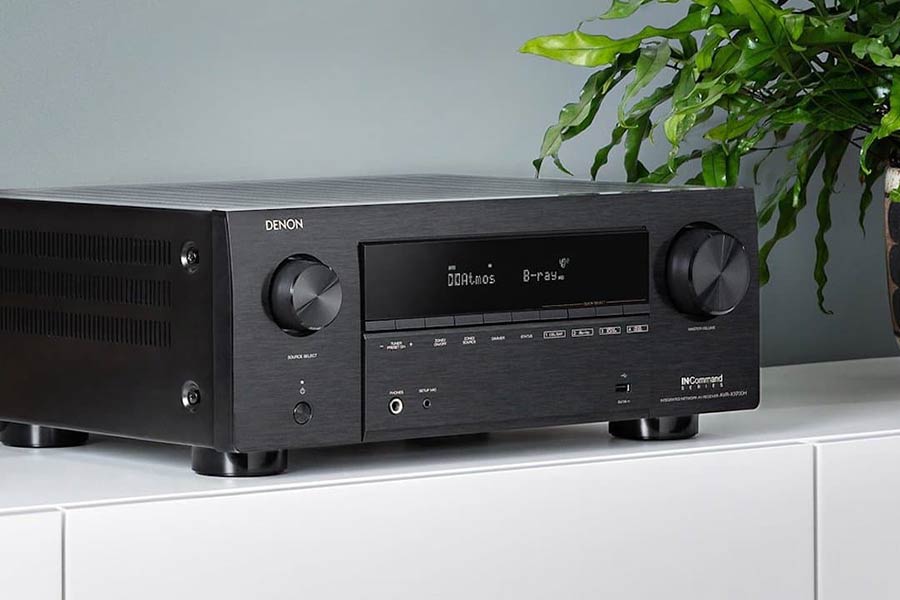
When choosing an AV receiver, the reputation of the brand can be a reliable indicator of quality and performance. Denon, for instance, is well-known for producing high-quality AV receivers with varying channel counts to suit different needs.
Key features to look for in models from renowned manufacturers:
- Audio Quality: Look for models with high-resolution audio support and advanced decoding technologies.
- Room Calibration: Features like Audyssey MultEQ or Dirac Live can significantly enhance your listening experience by auto-calibrating based on your room's acoustics.
- Connectivity Options: Ensure the receiver offers plenty of HDMI inputs, wireless streaming capabilities, and compatibility with voice assistants.
- Build Quality: Durable construction and reliable components often found in premium brands like Denon ensure longevity and consistent performance.
Choosing a trusted brand like Denon for your AV receiver gives you confidence in your investment, ensuring you get both performance and durability.
Conclusion
Investing in quality equipment that aligns with your specific needs can greatly enhance your home theater enjoyment. By carefully considering the channel count that suits your space and preferences, you ensure an optimal AV receiver selection. A higher channel count often provides a richer surround sound experience, transforming your home into a cinematic sanctuary. Prioritize features that match your desired audio experience and trust reputable brands to deliver the performance you seek. Your journey towards exceptional audio begins with choosing the right AV receiver.