Creating an immersive home cinema experience requires more than just a high-definition television. A surround sound system plays a crucial role in delivering the auditory dimension that makes movies, TV shows, and games come to life. Investing in a quality surround sound system can drastically transform your entertainment setup, offering a more engaging and lifelike experience.
In the world of high-end audio equipment, Denon and Marantz are two brands that stand out. Denon has been around since 1910 and has established itself through a series of mergers and innovations in audio technology. Marantz, founded in 1953 by Saul Marantz in New York, is known for delivering premium sound quality. Both brands merged under D&M Holdings Inc. in 2002 and are currently owned by Sound United LLC.
This article aims to provide a detailed comparison of Denon vs. Marantz receivers, focusing on their unique features, audio quality, design elements, and usability. By examining these aspects, you will gain valuable insights into which brand's surround sound system best suits your home cinema needs.
Understanding Surround Sound Systems
Surround sound systems have changed the way you enjoy audio in home theaters. These systems use advanced audio formats like Dolby Atmos and DTS:X to create realistic sound environments that make you feel like you're inside the movie.
Dolby Atmos
Dolby Atmos is an audio format that gives sound engineers the ability to position sounds precisely. With this technology, up to 128 audio tracks and 64 individual speaker feeds can be used, resulting in a more lifelike listening experience.
Key Feature
It adds height channels, allowing sounds to move above and around you.
Benefit
Provides a more immersive experience by simulating a true 3D environment.
DTS:X
DTS:X is another audio format that offers flexibility in speaker placement. Unlike traditional surround sound formats, DTS:X does not require specific speaker configurations, making it adaptable to various room layouts.
Key Feature
Accommodates more speakers in various positions without needing predefined setups.
Benefit
Delivers a customized sound experience tailored to your room's acoustics.
Benefits for Surround Sound Encoding
Both Dolby Atmos and DTS:X enhance the quality of surround sound encoding by:
- Improving Immersion: Object-based audio makes you feel like you're part of the action.
- Flexibility: Adaptable to different speaker setups and room sizes.
- Enhanced Clarity: Provides clearer separation of dialogue, music, and effects.
By understanding these technologies, you can better appreciate the capabilities of surround sound systems and make informed decisions when setting up your home cinema.
Denon vs. Marantz: A Closer Look at the Brands' Legacies
Denon History
Founded in 1910, Denon began as a division of the Japan Recorders Corporation. The company quickly carved out a niche in the audio and recording industry. Over the decades, Denon's innovations included the development of advanced digital audio technologies, which positioned it as a frontrunner in home theater systems.
Key milestones in Denon's evolution:
- Early 20th century: Specialized in gramophones and records.
- 1970s: Introduced the first commercial digital PCM recorder.
- 1980s: Expanded into high-fidelity audio equipment.
- 2002: Merged with Marantz to form D&M Holdings Inc.
Denon is renowned for its AVR (Audio Video Receiver) range, known for delivering immersive soundscapes with a warmer tone suited for home theater environments.
Marantz History
Established in 1953 by Saul Marantz in New York, Marantz quickly gained a reputation for high-quality audio components. Saul Marantz's passion for music translated into meticulously crafted products that audiophiles widely praised.
Significant highlights in Marantz's journey:
- 1950s: Pioneered high-fidelity audio equipment.
- 1960s: Became synonymous with premium sound quality.
- Late 20th century: Continued innovation with CD players and amplifiers.
- 2002: Merged with Denon to create D&M Holdings Inc.
Marantz is celebrated for its AVR lineup, offering accurate sound reproduction favored by music enthusiasts. This brand emphasizes clarity and precision, making it ideal for listeners who prioritize musical detail.
The merger of these two iconic brands under D&M Holdings Inc., now owned by Sound United LLC, has enabled them to leverage their combined expertise, enhancing their product offerings while maintaining distinct identities.
Key Features Comparison: Audio Quality, Design, and Usability
Audio Quality Comparison
When it comes to audio quality, both Denon and Marantz have distinct characteristics tailored to different listening preferences.
Marantz Receivers
Known for their accuracy and precision, Marantz receivers excel in delivering high-fidelity audio. They are particularly favored by audiophiles who prioritize music listening. These receivers produce a light sound effect with smooth equalization, ensuring the bass and mids are present without being overpowering or muddy. This makes Marantz an excellent choice for those who seek clarity and detail in their music experience.
Denon Receivers
Denon is renowned for its warmer sound profile, which is ideal for home theater setups. This warmth enhances movie dialogues and special effects, creating an immersive cinematic experience. Denon’s sound signature ensures that action scenes come to life with a rich, full-bodied audio that fills the room.
Receiver Design
The design philosophy of Denon and Marantz also reflects their different target audiences.
Marantz Design
Marantz receivers often feature a sleek front dial that provides crucial information. This dial is complemented by a flap-down screen that hides additional controls and settings, contributing to a minimalist and elegant look. This design prioritizes aesthetic appeal while maintaining functionality.
Denon Design
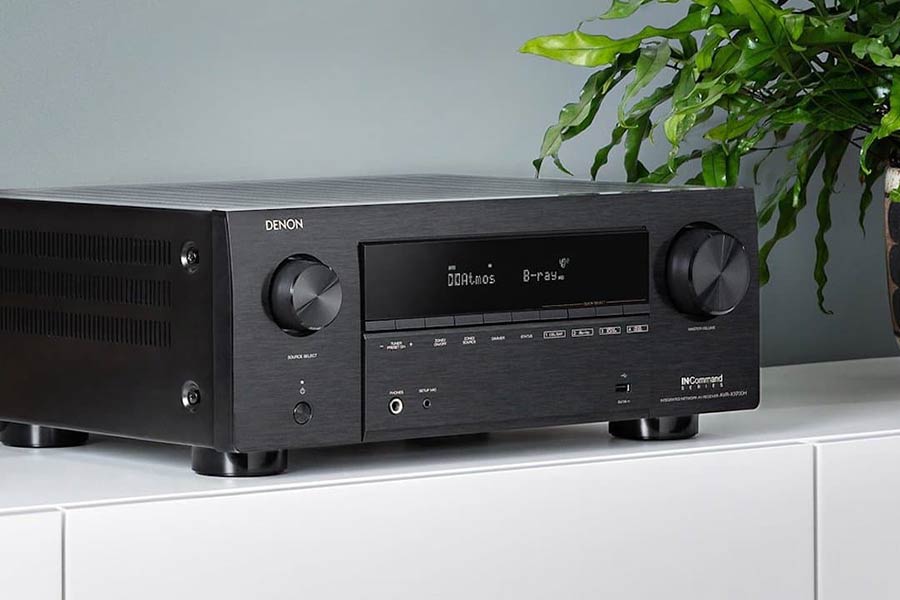
Denon receivers showcase their information directly on a front display screen. This approach emphasizes ease of use and quick access to information, making it straightforward for users to monitor settings at a glance. The robust build quality of Denon receivers aligns with their focus on delivering powerful performance in larger home theater environments.
Usability
Both brands offer user-friendly interfaces but cater differently based on usability preferences:
- Marantz: Ideal for users who appreciate detailed control over their listening experience. The hidden controls allow for a clean design while providing access to advanced settings when needed.
- Denon: Designed for those who value convenience and immediate access. The clear front display makes it easy to adjust settings during movies or music playback without distracting from the experience.
Each brand brings unique strengths to the table, ensuring that whether your priority is high-fidelity music or an immersive home theater experience, there's an option that fits your needs perfectly.
Choosing the Right Surround Sound System for Your Home Cinema Setup
When determining how to choose a surround sound system, several factors are crucial:
- Room Size: A larger room may require a more powerful receiver and additional speakers. For example, a 7.1 system with two extra speakers behind the audience is ideal for expansive home cinemas.
- Speaker Compatibility: Ensure your chosen receiver matches well with your speakers. Marantz pairs excellently with warm speakers, while Denon is better suited for flatter sounding ones.
- Audio Formats: Look for systems that support modern formats like Dolby Atmos and DTS:X to fully leverage object-based audio technologies.
Understanding these elements will help tailor a setup that meets your specific needs.
Professional Consultation Services for Optimal Surround Sound Installation
When it comes to achieving the best surround sound experience, professional consultation and site visits are crucial. Experts can provide guidance that ensures your system is customized to fit your room's unique dimensions and acoustics, resulting in improved audio quality.
Benefits of Hiring Professional Surround Sound Installation Services
Here are some reasons why you should consider hiring professionals for your surround sound installation:
- Precise speaker placement: Professionals know exactly where to position the speakers in order to create the optimal soundstage.
- Custom calibration: Every room has its own acoustic characteristics. Professionals have the tools and knowledge to fine-tune the audio settings based on your specific space.
- Compatibility checks with existing equipment: If you already have other audio or video devices, professionals can ensure that everything works seamlessly together.
By hiring a professional, you not only save time but also improve your home cinema setup. They can deliver an immersive experience that DIY installations often overlook.
If you're in London, there are many services available that can assist you in choosing and setting up the perfect surround system for your home.