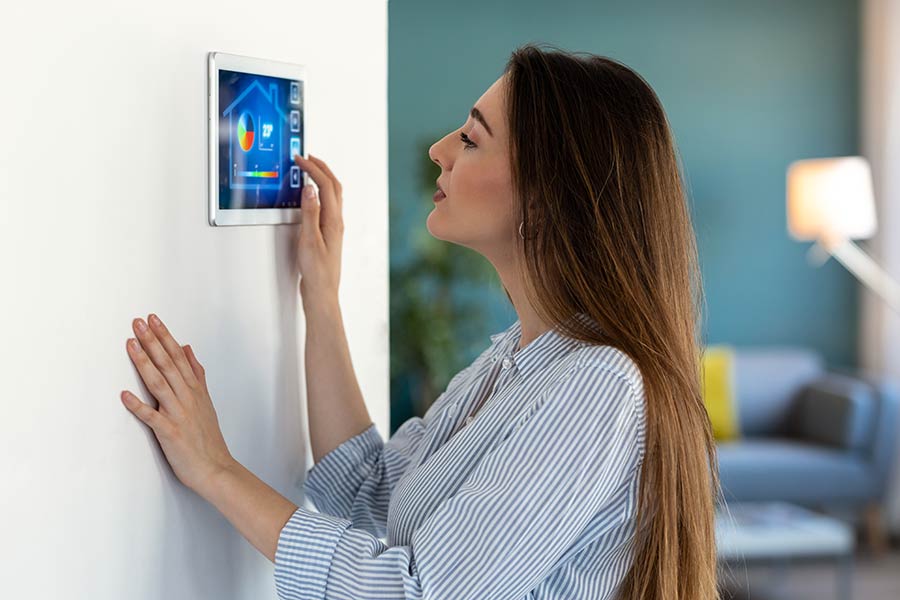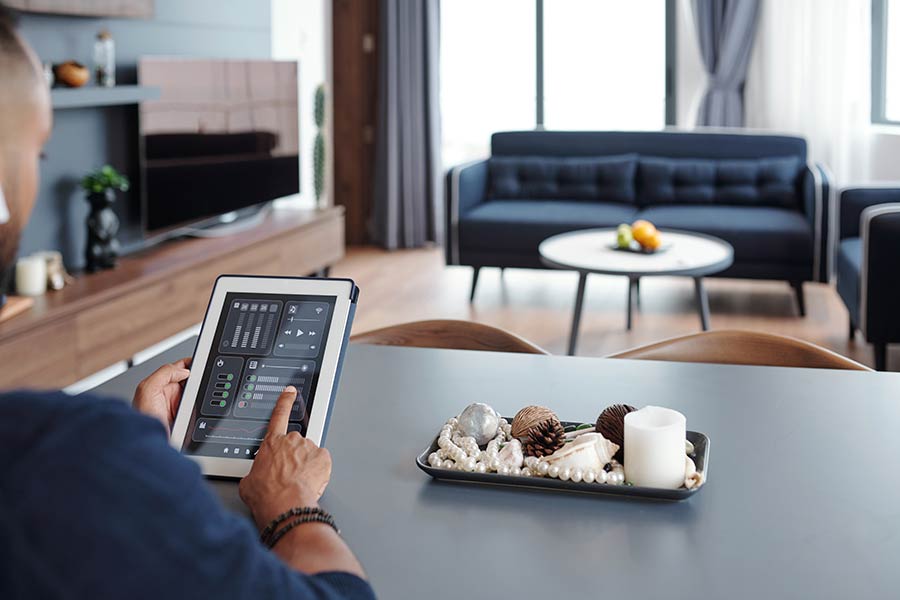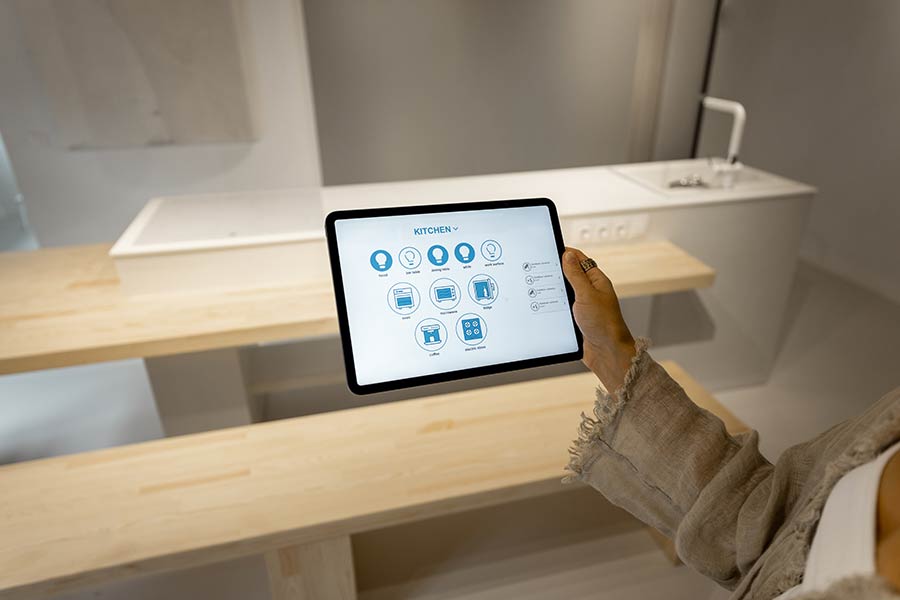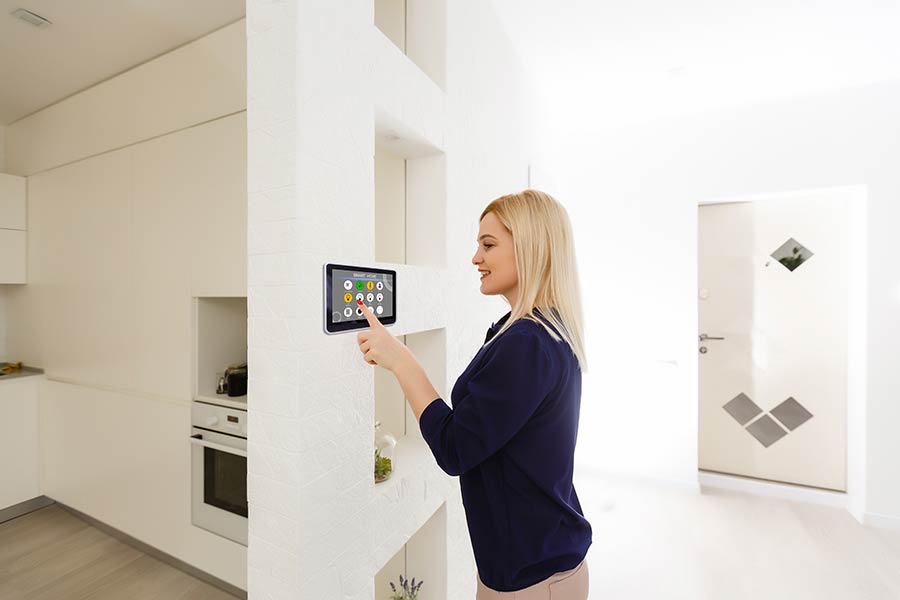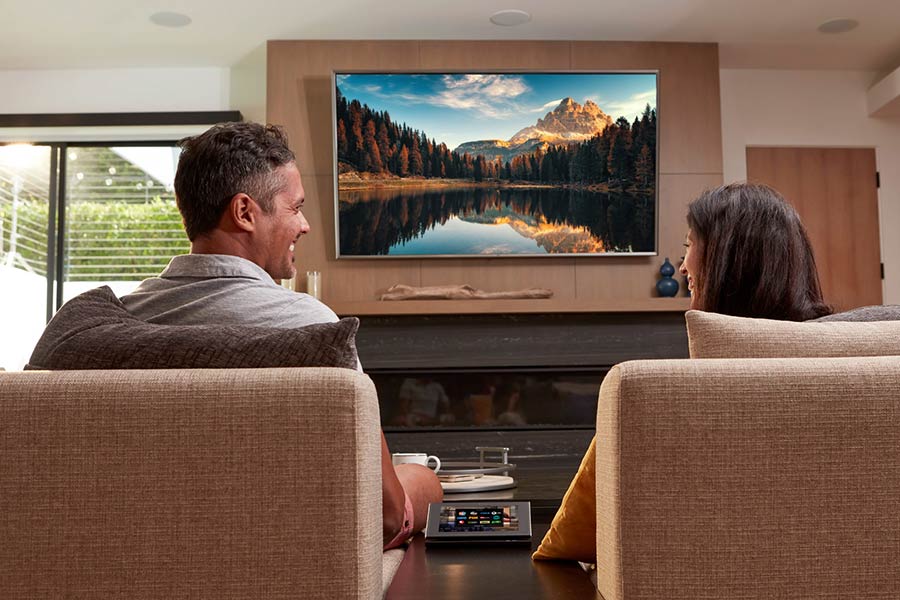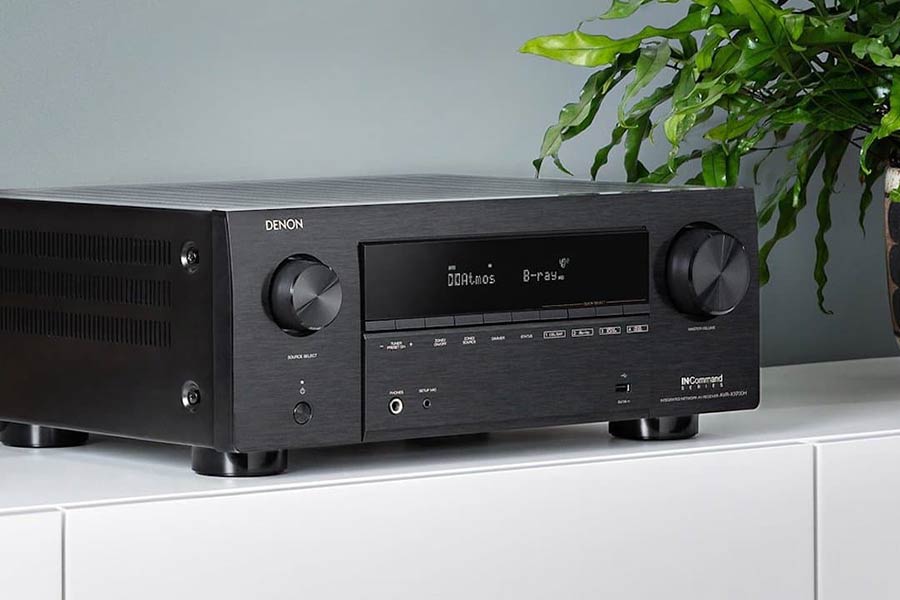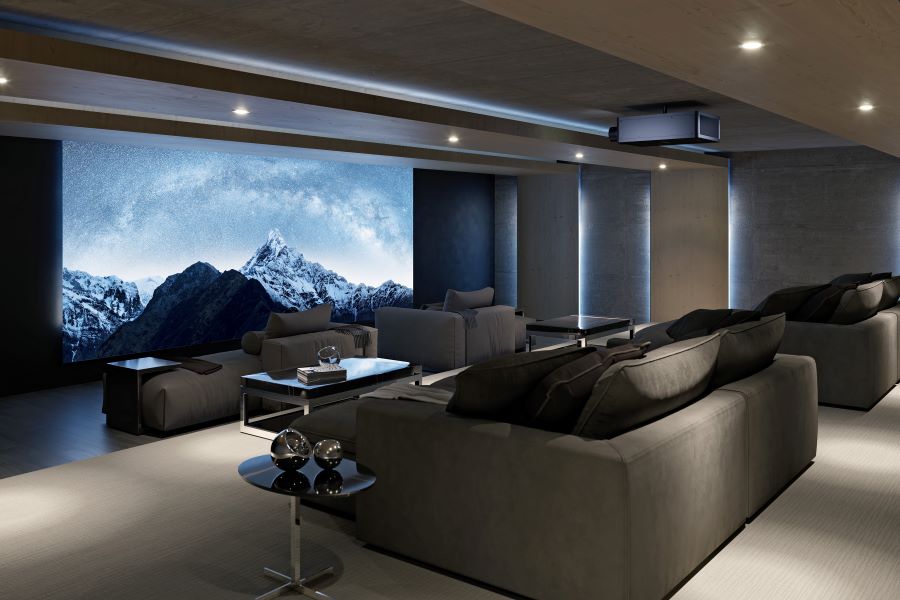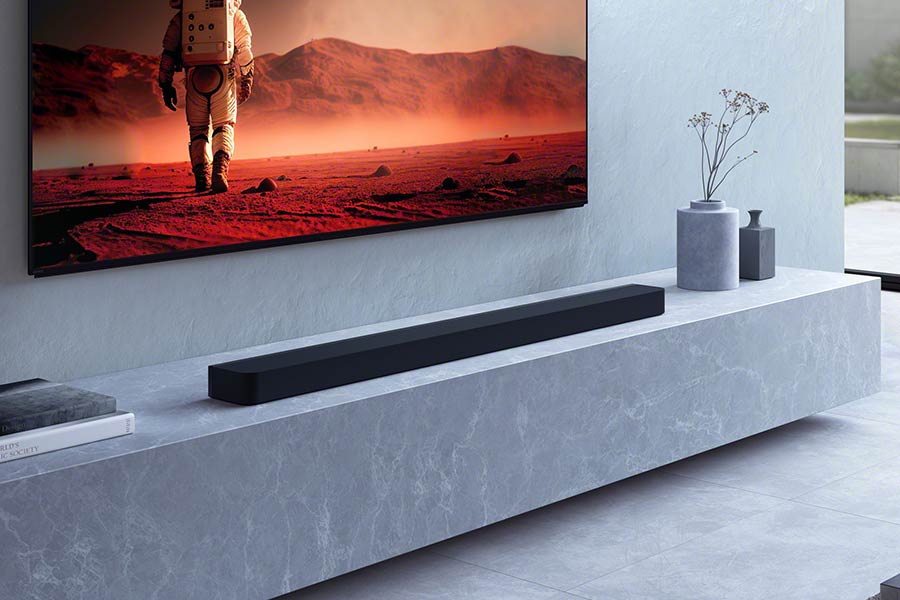

"Home automation has gone from geeky novelty to mainstream must-have as systems have become more versatile, intuitive and affordable. Today's best home automation systems allow homeowners to easily monitor, program and control smart devices throughout the home for next-level convenience, efficiency and peace of mind. This deep dive will explore the leading whole home automation systems to consider for your project in 2023 based on categories of use, features, technology, and overall value. Discover which solutions can optimally automate lighting, climate, security, entertainment and more based on your unique needs and budget.
A Look at Whole Home Automation
Whole home automation refers to centralized systems that can control and orchestrate multiple devices for complete smart home management versus having fragmented, standalone smart gadgets. “True home automation goes beyond just having a smart thermostat or lightbulb,” explained Kevin Smith, editor of SmartHomes Complete. “It’s about integrating all technologies into a seamless experience.” Elements of robust whole home automation typically include:
- A central controller or hub to process signals.
- Touchpads, apps and voice control for system access.
- Smart devices like lights, locks, thermostats, shades, cameras and appliances that connect to the platform.
- Automation programming for scheduled actions, routines and responses.
“The best systems make home automation powerful yet simple,” said Smith.
Factors in Choosing Whole Home Automation
Consider the following when selecting an automation system: Your usage - Entertainment vs. light management vs. heating and cooling, etc. Define your priorities. Desired features - Music integration? Climate automation? Choose the system with features you need. Scalability - How easily does the system allow adding devices and expanding automation in the future? Technology - Evaluate communication protocols like Z-Wave, wireless/cabled, etc. Installation - DIY, professional or hybrid? Factor complexity, your skills and time. Budget - Entry-level systems start around $300, while advanced professional installations can cost $5k+. Set realistic budget expectations. “Identify how you want to use automation and choose the system that best fits at your budget level,” advised Smith.
Best DIY Home Automation Systems
DIY systems are the most budget-friendly options, with flexibility for tech-savvy homeowners to install and configure the platforms themselves:
Samsung SmartThings
SmartThings is likely the most popular DIY system, with its own devices and robust integration of third-party products through the SmartThings app. Relatively easy DIY installation.
Amazon Alexa
Alexa voice assistant provides automation control via Amazon Echo devices. Inexpensive smart devices like plugs and bulbs make setup achievable.
TP-Link Kasa
TP-Link's Kasa smart home line spans lights, plugs, switches and more, all configurable through the Kasa Smart app. Simple WiFi setup.
Brilliant Home Control
The Brilliant wall panel has integrated Alexa and provides touchscreen control of connected devices. Minimal wiring required during self-installation. “DIY systems are ideal if you enjoy tinkering and custom programming,” said Smith.
Best Professionally Installed Automation
Professionally installed systems provide the most robust features and performance, with a dealer handling setup:
Savant Pro
Savant offers personalized options for lighting, climate, security and A/V automation. Integration with major smart brands. Installation costs around $3k+.
Control4 EA Series
Control4 allows easy smart light and lock control up to advanced full home automation, starting around $2,500 installed. Intuitive app.
Crestron Home OS
For luxury whole home automation, Crestron delivers customized integration of lighting, shades, security, A/V and more. Installation starts around $4k.
ELAN Home Systems
ELAN systems control A/V, lighting, security, climate and more, professionally installed. Custom programming to suit lifestyles. Starts around $2,000. “Pro installation ensures optimal performance and seamless integration of systems,” remarked Smith.
Best Hybrid Automation Providers
Hybrid providers offer professional design and project management plus DIY-install smart devices for simpler setup:
Vivint Smart Home
Vivint combines pro consultation upfront with homeowner installation of equipment like security panels, thermostats, locks, cameras and sensors. Affordable entry around $599.
ADT Command
ADT Command offers professional monitoring with homeowner installation of DIY gear like automation hubs, smart locks, lights and thermostats to control via apps and voice. Starter packages around $599.
Abode Home Security
Abode offers customized professional security design and cellular monitoring while homeowners self-install smart lights, cameras, sensors and other smart home tech. Packages from $199. “Hybrid models blend pro design with DIY installation to simplify getting started,” said Smith.
Key Takeaways for Choosing Your Automation System
The optimal whole home automation solution for you depends on assessing factors like:
- Primary use cases - Lighting, A/V, climate, etc.
- Desired functionality and features
- Technology needs and limitations like WiFi coverage
- Ability and desire for DIY installation
- Realistic budget range
Once core requirements are defined, weigh costs and benefits of professional vs. DIY providers and systems with the right capabilities for your situation. “Home automation should simplify life while providing personalized features you’ll enjoy,” summarized Smith. “Choose what's best for your home and lifestyle.” With these insights, you can zero in on the perfect automation system for your living space. Do your homework, ask providers detailed questions and make an informed decision. With today's options, easy yet powerful home automation is within your reach."