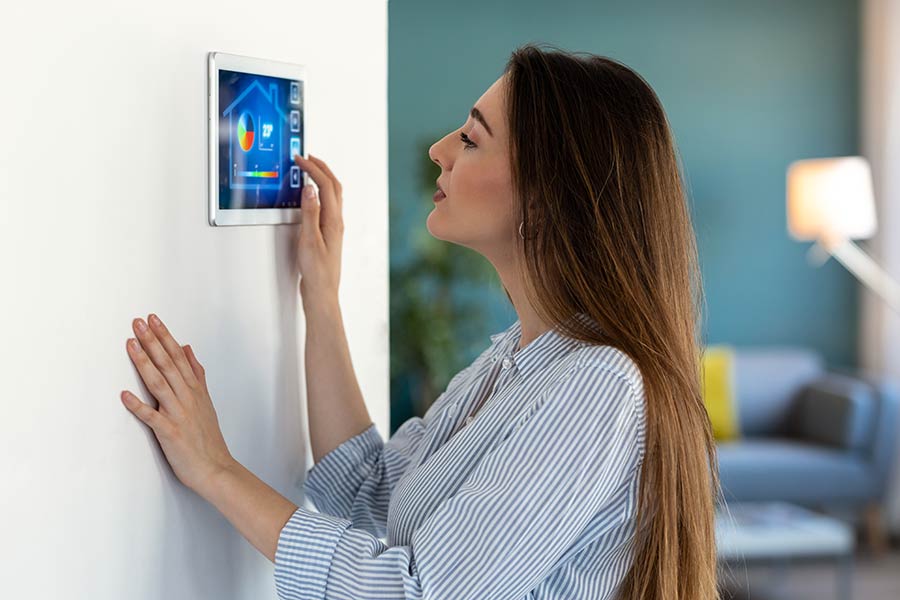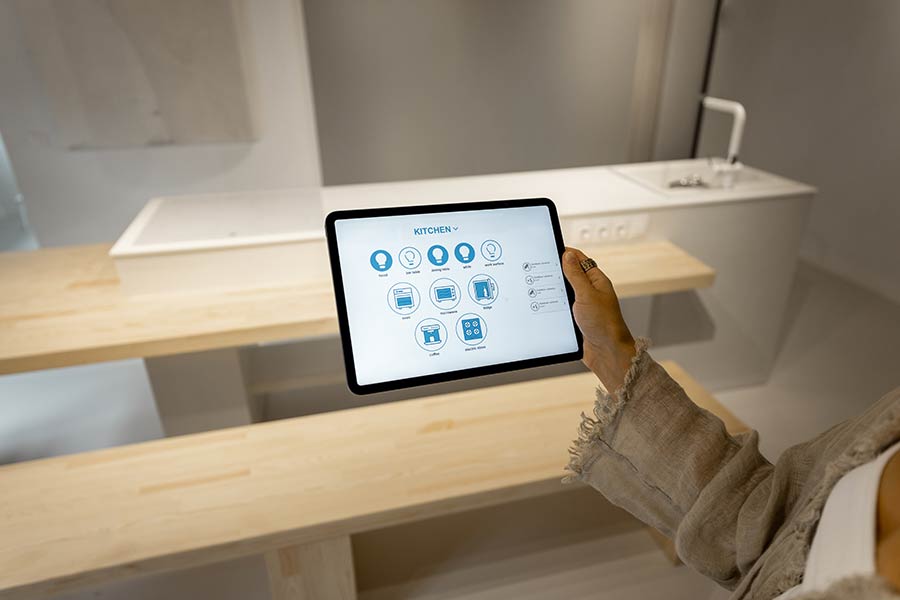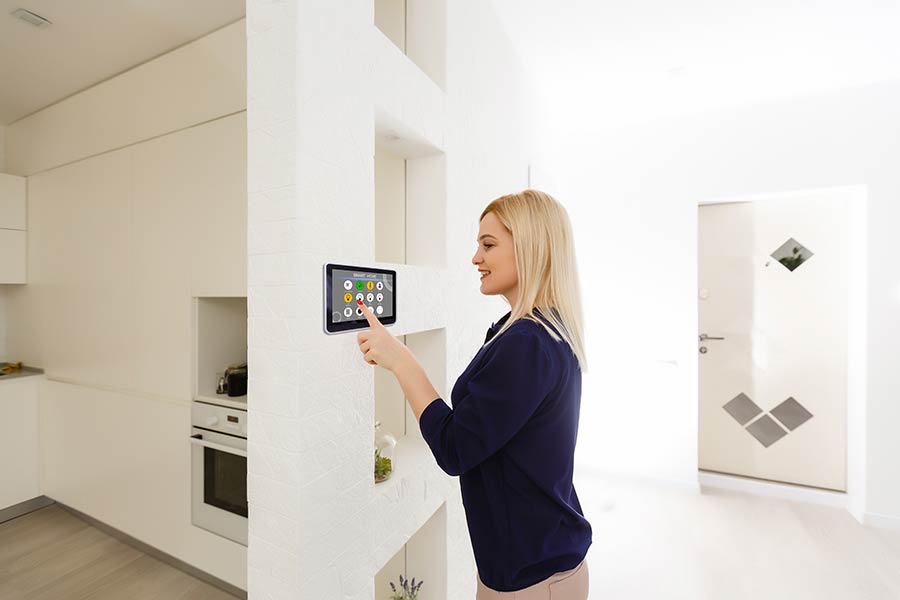

Lighting controls have come a long way from the simple on/off switches we used to have. Nowadays, they do much more than just turn lights on and off. They make our spaces more comfortable, help us with tasks, keep our homes or businesses secure, and even let us set the lighting to match our mood or specific occasions.
There are several types of lighting control systems available:
- Localized Lighting Control Systems: These systems allow you to control the lights in a specific area or room.
- Centralized Lighting Control Systems: With these systems, you can manage all the lights in your space from a single location.
- Distributed Intelligence Systems: These systems use smart technology to control the lights in different areas independently.
- Hybrid Lighting Control Systems: Combining elements of both centralized and distributed systems, these offer flexibility in managing lighting.
Each system has its own advantages that cater to different environments and needs. Whether you require easy access and control in a busy area or a comprehensive management solution from one place, there's a lighting control system designed just for that.
In this article, we'll take a closer look at the different types of lighting controls available in the market and how they can benefit both residential and commercial spaces.

1. Localized Lighting Control Systems
A localized lighting control system is one of the most common types used in both residential and commercial settings. This system offers simplicity and practicality, making it an excellent choice for various environments.
Each light zone in a localized lighting control system has its own switch or dimmer. This setup provides easy access and precise control over individual light zones, allowing you to adjust the lighting to your specific needs.
Key Benefits:
- Ease of Use: Each light zone can be controlled independently, giving you the flexibility to tailor the lighting in different areas. This is particularly useful in spaces like living rooms, kitchens, or offices where different tasks may require varying light levels.
- Convenience: Installing keypads in high-traffic areas simplifies the control process. Instead of managing multiple switches or dimmers, a single keypad can control several light zones, which is especially beneficial in large spaces or busy environments.
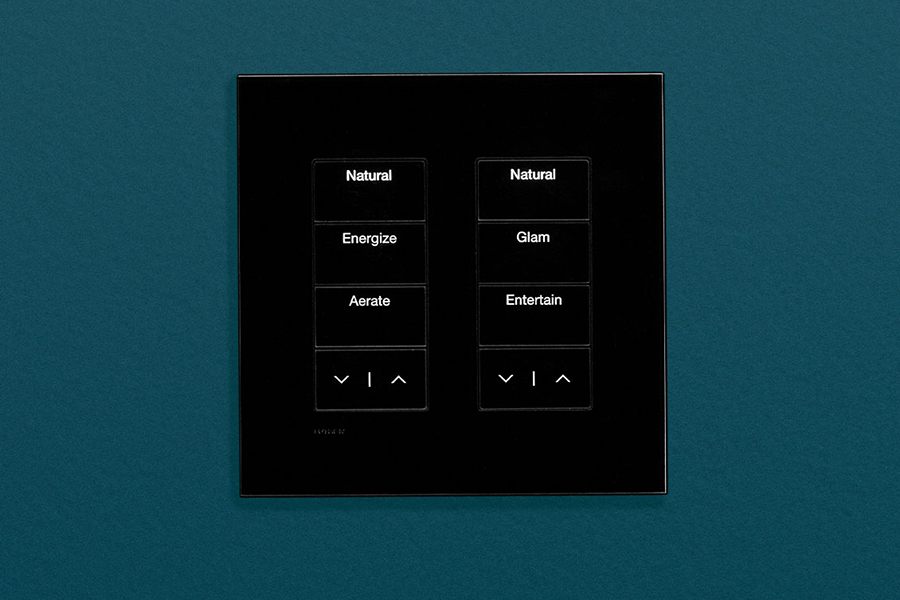
Keypads often feature modern designs with soft, rounded edges and illuminated buttons that are both functional and aesthetically pleasing. Products like Lutron's Alisse and Palladiom keypads integrate seamlessly with their HomeWorks control system, offering a variety of finishes and colors to complement any interior.
Localized systems are practical for spaces where individual control over lighting zones enhances comfort and functionality. Whether you're looking to create a cozy ambiance in your home or improve productivity in an office setting, localized lighting controls offer a straightforward solution.

2. Centralized Lighting Control Systems
A centralized lighting control system provides comprehensive management from a single location. This setup is ideal for larger homes or commercial spaces where controlling multiple zones efficiently is paramount. By centralizing the control, you can streamline the operation of all lighting fixtures within the building.
Key Features:
- Single Location Management: All lighting controls are managed from one central point, often through a master keypad or control panel.
- Integrated Keypads: Keypads are installed in each room, allowing local control while still being part of the centralized system.
- Remote Panels and Power Modules: Lights are dimmed using power modules located in remote panels, providing seamless and efficient dimming capabilities.
Benefits:
- Ease of Use: Simplifies the process of managing multiple light zones, reducing the need to operate individual switches.
- Enhanced Control: Offers precise control over every light fixture in the space, facilitating customized lighting scenes.
- Aesthetic Integration: Keypads can be designed to match interior aesthetics, ensuring that functionality does not compromise style.
Centralized systems like Lutron’s HomeWorks offer robust integration options with other home systems such as shades and HVAC, creating a cohesive smart home environment.
3. Distributed Intelligence Systems
Distributed intelligence systems use smart technology integration to improve the functionality and flexibility of lighting controls. These systems embed intelligent components directly into light fixtures, allowing for direct control without the need for extensive rewiring or additional infrastructure.
Key Features
- Smart Technology Integration: Light fixtures come equipped with embedded sensors and processors, enabling them to communicate with each other and respond dynamically to changes in their environment.
- Seamless Integration: These systems can easily integrate with existing infrastructure, making them an ideal choice for both new builds and retrofits.
Benefits
- Direct Control: This approach allows individual light fixtures to be controlled directly, offering more precise and localized management of lighting conditions.
- No Extensive Rewiring: By embedding smart technology within the fixtures themselves, distributed intelligence systems eliminate the need for cumbersome rewiring, simplifying installation and reducing costs.
Practical Examples
- Smart Bulbs: Products like Philips Hue or LIFX are examples of distributed intelligence in action. These bulbs can change color, dim, and even sync with music directly from a smartphone app.
- Integrated Sensors: Many commercial buildings use smart sensors embedded in lighting fixtures to adjust brightness based on occupancy or natural light levels.
Distributed intelligence systems offer a modern solution that leverages advanced technology to deliver efficient and adaptable lighting management.
4. Hybrid Lighting Control Systems
Hybrid lighting control systems combine elements from localized, centralized, and distributed intelligence systems, offering flexibility and adaptability for different environments. This hybrid model allows you to tailor the lighting setup to meet specific needs, whether it's a residential space or a commercial building.
Localized Control
Each light zone has its own switch or dimmer, giving you direct control over individual areas. This is ideal for spaces where separate room-by-room management is necessary.
Centralized Control
Keypads installed in each room allow you to manage multiple lights from a single location. Power modules in remote panels can be used to dim lights across different zones, offering a cohesive lighting experience throughout your space.
Distributed Intelligence
Smart technology embedded in light fixtures provides direct control without extensive rewiring. This feature is particularly useful when integrating with existing infrastructure or expanding smart home capabilities.
When choosing a hybrid system, consider future scalability requirements. These systems offer future expansion capabilities, making it easier to add new features or components as technology evolves. For example, Lutron’s Clear Connect Type X RF communication system supports wireless devices, allowing seamless integration with other smart home technologies.
By selecting a hybrid model, you get the best of all worlds—customizable lighting controls tailored to current needs with the flexibility to adapt as those needs change.
Key Features and Technologies in Advanced Lighting Controls
Leading brands like Lutron HomeWorks and Ketra systems offer advanced lighting control solutions that stand out for their unique features. These systems provide a range of customizable settings tailored to enhance user experience and improve energy efficiency.
Customizable Settings
Lutron HomeWorks and Ketra systems allow you to create personalized lighting scenes. Whether you want to set the perfect ambiance for a dinner party or adjust the lighting for a movie night, these systems offer:
- Scene Setting: Pre-programmed modes like "Energize" or "Relax" that adjust color temperature and intensity.
- Personalization: Options to customize light levels, colors, and even schedules according to your preferences via an app or smart home assistant.
Energy-Saving Modes
Energy efficiency is another key feature of these advanced lighting controls. Both Lutron and Ketra incorporate technologies designed to minimize energy consumption without compromising on performance:
- Occupancy Sensors: Automatically turn lights on/off based on room occupancy, saving power when spaces are unoccupied.
- Dimming Capabilities: Reduce energy use by lowering light intensity when full brightness is not necessary.
Integration with Smart Home Systems
Lutron and Ketra systems seamlessly integrate with other smart home devices, offering comprehensive control over your living environment:
- Smart Assistants Compatibility: Compatible with voice assistants like Amazon Alexa, Google Assistant, and Apple HomeKit.
- Integrated Control: Coordinate with HVAC systems, shades, and security features for a cohesive smart home ecosystem.
Advanced technologies from Lutron HomeWorks and Ketra elevate lighting control beyond mere functionality, providing a blend of convenience, efficiency, and ambiance enhancement tailored to modern living spaces.
Benefits Beyond Convenience: Energy Efficiency & Ambiance Enhancement with Advanced Lighting Controls
Energy-saving potential is a significant advantage of advanced lighting control systems. Occupancy sensors and timers are crucial in this regard, as they automatically turn lights on or off based on movement or presence in a room. This not only conserves energy but also adds a layer of convenience by eliminating the need to manually switch lights.
Key Benefits:
- Energy Savings through Occupancy Sensors: By detecting when spaces are unoccupied and dimming or turning off lights accordingly, occupancy sensors can lead to substantial reductions in energy usage.
- Timers: These ensure that lights are only used when needed, providing scheduled lighting that aligns with your daily routine.
Modern lighting controls go beyond mere energy efficiency; they enhance the ambiance of any space. Systems like Lutron’s HomeWorks and Ketra's solutions offer features that adjust color temperatures and implement specialized modes to suit various activities or moods.
Enhancing Ambiance:
- Adjustable Color Temperatures: Tailor the light to create different atmospheres; warmer tones for relaxation and cooler tones for productivity.
- Specialized Modes: Pre-defined settings such as "Energize" or "Relax" allow for quick adjustments that transform the ambiance according to your needs.
Example: The Seaholm Penthouse in Austin utilizes Ketra’s system to offer homeowners customizable lighting scenes like "Energize" for vibrant daylight-like settings and "Relax" for a calming evening atmosphere.
By integrating these advanced features, you can significantly improve both the functionality and aesthetic appeal of your living or working environment.
Professional Installation Tips for Optimal Performance of Your Chosen Lighting Control System
Investing in a lighting control system offers numerous benefits, but achieving optimal performance often requires professional installation. Here are some key reasons why professional installation is crucial:
1. Proper Configuration
Ensuring that all components within your lighting control system are correctly configured avoids potential issues like malfunctioning lights or unresponsive controls. Professionals have the expertise to set up systems accurately from the start.
2. Compatibility
Lighting control systems often include various components such as dimmers, sensors, and keypads. A professional installer ensures these elements are compatible and work seamlessly together. This is particularly important in hybrid systems where different technologies are integrated.
3. Customization
Professionals can customize the setup to meet your specific needs. Whether you need particular lighting scenes or energy-saving modes, an expert will tailor the configuration to suit your preferences.
4. Safety and Compliance
Electrical work comes with inherent risks. Professional installers adhere to safety standards and local building codes, ensuring that your system is safe and compliant.
5. Troubleshooting and Support
In case of any issues post-installation, having a professional installer means you have access to expert troubleshooting and support. This can save time and reduce frustration compared to attempting DIY fixes.
Hiring a professional for installation not only enhances the functionality of your lighting control system but also maximizes its long-term benefits. Proper setup ensures you get the most out of advanced features offered by leading brands like Lutron and Ketra.
Conclusion: Choosing the Right Type Of Lighting Control System For Your Space Needs to Be A Well-Informed Decision!
When choosing a lighting control system for your home, consider options like Lutron’s HomeWorks or Ketra’s innovative solutions. Evaluate them based on:
- Design Aesthetics: Match your interior style.
- Ease-of-Use Features: Look for customizable settings and user-friendly interfaces.
- Long-Term Investment Value: Assess energy efficiency and future scalability.
Your decision should reflect personal preferences and the specific benefits discussed throughout this article, ensuring a perfect fit for both residential and commercial spaces.